
Introduction: What Is “Social Programgeeks” and Why It Matters
Imagine a place online where tech lovers, creators, learners, and social people all come together. A place not just for chatting, but for building, teaching, and growing. That’s the idea behind “social programgeeks.”
In our world, many social networks focus on entertainment, news, or connecting with friends. But what if there were a social network built for programming, collaboration, and learning? That is the mission of social programgeeks: to blend social interaction with programming, making learning, sharing, and creating fun and meaningful.
In this article, you’ll learn:
- What social programgeeks means in practice
- How it works today
- Benefits, challenges, and real‑world examples
- How a case study shows its impact
- Answers to key questions
- How you (or your audience) might get involved
Let’s dive in.
What Exactly Does “Social Programgeeks” Mean?
At its heart, “social programgeeks” is a hybrid concept. It combines:
- Social networking features like feeds, comments, groups
- Coding and programming tools like shared editors, version control, code sharing
- Learning and mentorship systems so users can teach and learn
- Community governance and moderation to keep quality high
In other words, it’s not just a forum or code repository. It’s a social space centered on programming, where users can socialize and build together.
Some platforms already lean toward this model. For example, ProgramGeeks Social offers project collaboration, code snippet posting, community threads, and more, designed especially for developers and creators. trendnowtoday.com+1
Unlike general social media, where you might see random posts, memes, or clickbait, social programgeeks aim for purposeful content—posts about code, learning, tools, projects, and growth.
How Social Programgeeks Works (Features & Structure)
Here is a breakdown of how a social programgeeks platform typically works:
Core Components (in paragraph form)
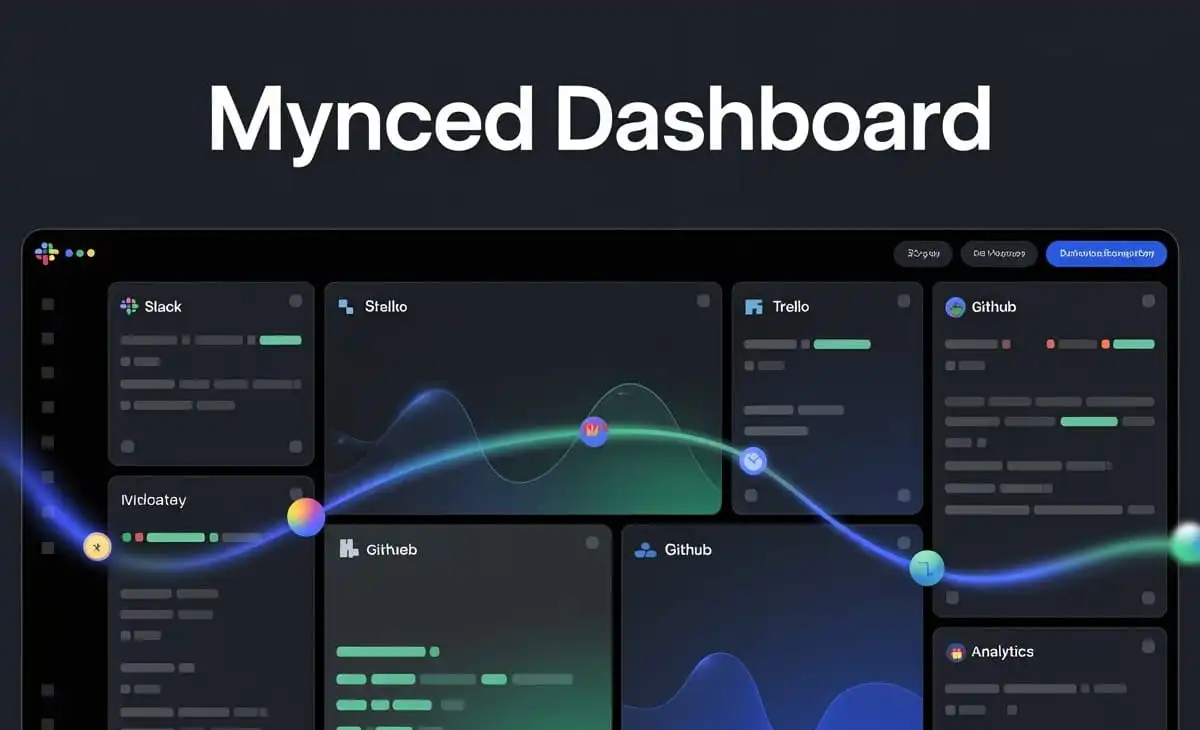
- Project Collaboration Spaces
Users can create, join, or contribute to coding projects. These “spaces” act like mini teams: they often include chat, version control (Git or similar), task boards, and shared files. The goal is to make building together seamless. - Syntax‑friendly Posts & Snippets
Instead of plain text, users can post code snippets with syntax highlighting. This means your Python, JavaScript, or CSS shows correctly and is easy to read and comment on. - Learning Modules & Challenges
The platform offers tutorials, challenges, quizzes, and themed events (e.g. hackathons). Users earn badges, points, or recognition by completing them. - Mentorship & Peer Review
More experienced programmers mentor newcomers. Users can request code reviews, ask questions, and get feedback. This encourages growth, not just consumption. - Community Moderation & Reputation
Users earn reputation, badges, or trust levels. The community helps moderate content, flag low‑quality posts, and guide new users. - AI / Smart Tools
In more advanced platforms, AI can suggest code fixes, auto‑complete snippets, recommend learning paths, or surface relevant groups or topics. - Ethical & Privacy Principles
Because it’s about knowledge and growth, many social programgeeks platforms emphasize data privacy, no manipulative feeds, transparent algorithms, and respectful interaction.
Real‑World Example: ProgramGeeks Social
One real example is ProgramGeeks Social. This platform has gained traction by positioning itself as a social network just for coders, creators, and tech learners.
- It provides collaboration hubs where you can link GitHub, talk with teammates, and manage tasks.
- It supports code formatting in posts—so your shared snippets look nice and clear. espressocoder
- The feed is content‑based, not driven by viral algorithms: you see what’s relevant to your interests (for example, Python or web dev).
- It encourages inclusion for all skill levels—beginners can ask basic questions, advanced users can mentor.
This shows how social programgeeks principles apply already in practice.
Case Study:
To show tangible impact, let’s look at a case study from the United States: a virtual web design course taught in prisons. arXiv
Background
People in prisons often lack access to modern digital education. A group of educators organized a 12‑week online class teaching HTML, CSS, and JavaScript to incarcerated students in five correctional facilities across the U.S.
What They Did
- The classes were synchronous and virtual—students across prisons joined the same session.
- They built websites about social issues they cared about.
- They combined lectures, live coding, peer support, and project work.
Results
- Students reported higher self‑efficacy (belief in their ability) with digital tools.
- Many found meaning in making web pages about causes they cared about.
- The program showed that even in constrained settings, you can foster community, collaboration, and tech learning.
Lessons for Social Programgeeks
This effort is like a mini social programgeeks in action: socially driven learning + shared projects + collaborative support. It shows that constrained environments can still benefit from combining social interaction and programming education.
Benefits and Opportunities
Here are some of the key advantages that social programgeeks can bring:
- Accelerated learning: You learn faster when you code with others, get feedback, and share tips.
- Motivation through community: Being part of a group keeps you motivated, even on days when coding feels hard.
- Mentorship & upward mobility: Beginners get access to mentors and more direct guidance.
- Portfolio & visibility: Your contributions stand public, which helps with job or freelance opportunities.
- Better knowledge retention: Teaching or explaining to others helps cement your own understanding.
- Innovation & collaboration: People from diverse backgrounds can join forces to build new tools or apps.
For organizations (tech firms, universities, nonprofits), hosting or sponsoring social programgeeks communities can help identify talent and foster open innovation.
Challenges and Risks
No idea is perfect. Here are things to watch out for:
- Quality control: Without proper moderation, low‑quality content or spam can overwhelm.
- Community toxicity: Some users may act arrogantly, discourage beginners, or troll.
- Sustainability: How do you fund the platform? Ads? Membership? Donations?
- Balancing social vs content: Too much social (memes, off topic posts) dilutes the programming focus.
- Algorithm bias: If you use recommendation algorithms, you risk promoting popularity over educational value.
- Privacy & data security: Sensitive code, projects, or user data must be handled carefully.
Addressing these requires thoughtful design, clear rules, community governance, and transparency.
Key Features of an Effective Social Programgeeks Platform
- Real‑time collaboration with project tools (chat, versioning, boards)
- Syntax‑aware posting (code snippets, formatting)
- Guided learning (modules, quizzes, challenges)
- Mentorship and peer review systems
- Reputation, badges, and trust levels
- Smart tools (AI suggestions, content recommendations)
- Strong moderation and community rules
- Transparent algorithms and privacy protection
Steps to Launch or Join a Social Programgeeks Community
- Define your core focus (e.g. web dev, mobile, data science)
- Build minimal features (feed, code posting, project hubs)
- Seed early communities (invite teachers, learners)
- Run challenges or hackathons to boost activity
- Encourage mentor–mentee relationships
- Establish moderation and reputation systems
- Seek sustainable funding (grants, sponsorships, freemium)
- Continuously iterate based on user feedback
Real‑World Example: A Startup Using Social Programgeeks Approach
Let’s imagine a U.S. startup called CodeConnect that applied these ideas:
- They launched an app where coders connect by interest (Python, ML, web)
- Users can post mini‑projects, invite collaborators, or ask help
- They run weekly mini‑challenges (e.g. “Build a to‑do app in 1 hour”
- Mentors volunteer and earn credits; top contributors get spotlight on the site
- Employers scan contributor profiles to hire for freelance gigs
Within one year, CodeConnect grew to 50,000 active users and dozens of projects started. Many participants got freelance jobs via the visibility they gained. This kind of real startup shows that social + programming can also be a business model.
Frequently Asked Questions (FAQs)
Q1: Who can use a social programgeeks platform?
Anyone interested in programming, from beginners to experts. Because they typically support multiple skill levels, even a 10‑year‑old coding enthusiast (with supervision) can browse tutorials or simple challenges.
Q2: How is this different from GitHub or Stack Overflow?
GitHub is mostly for code versioning and project hosting. Stack Overflow is a Q&A site. In contrast, social programgeeks combine social feed, collaboration, mentoring, and learning all in one place.
Q3: How do these platforms make money?
They might use freemium models (basic free, premium paid), sponsorships, grants, corporate partnerships, or donations. But they must balance revenue with user trust and platform quality.
Q4: What prevents cheating or low‑quality contributions?
Reputation systems, peer review, moderation, and community flagging help maintain quality. Bad actors get downvotes or restricted access.
Q5: Can non‑programmers benefit?
Yes. Writers, designers, project managers, or content creators who work alongside programmers can join to learn, help, or collaborate. Even non‑tech users can ask questions, take simple courses, or join guided topics.
Conclusion: Why Social Programgeeks Is the Next Frontier
In a time when learning, socializing, and working increasingly overlap online, social programgeeks brings a fresh model: a social network centered on programming, growth, and community. It’s not just about watching or consuming—it’s about doing, building, and contributing together.
Given real examples like ProgramGeeks Social and the powerful prison web design course, the potential is clear. With thoughtful governance, funding, and community building, social programgeeks can reshape how people learn tech—and how communities grow.
If you’re building a tech audience, educator, coder, or startup founder, joining or creating a social programgeeks community could be one of your smartest steps forward.
Call to Action (CTA):
If you’re curious to try social programgeeks, why not visit ProgramGeeks Social today and explore a few projects? Or drop me a message—I can help you map out your own mini social programgeeks community. Let’s build together.